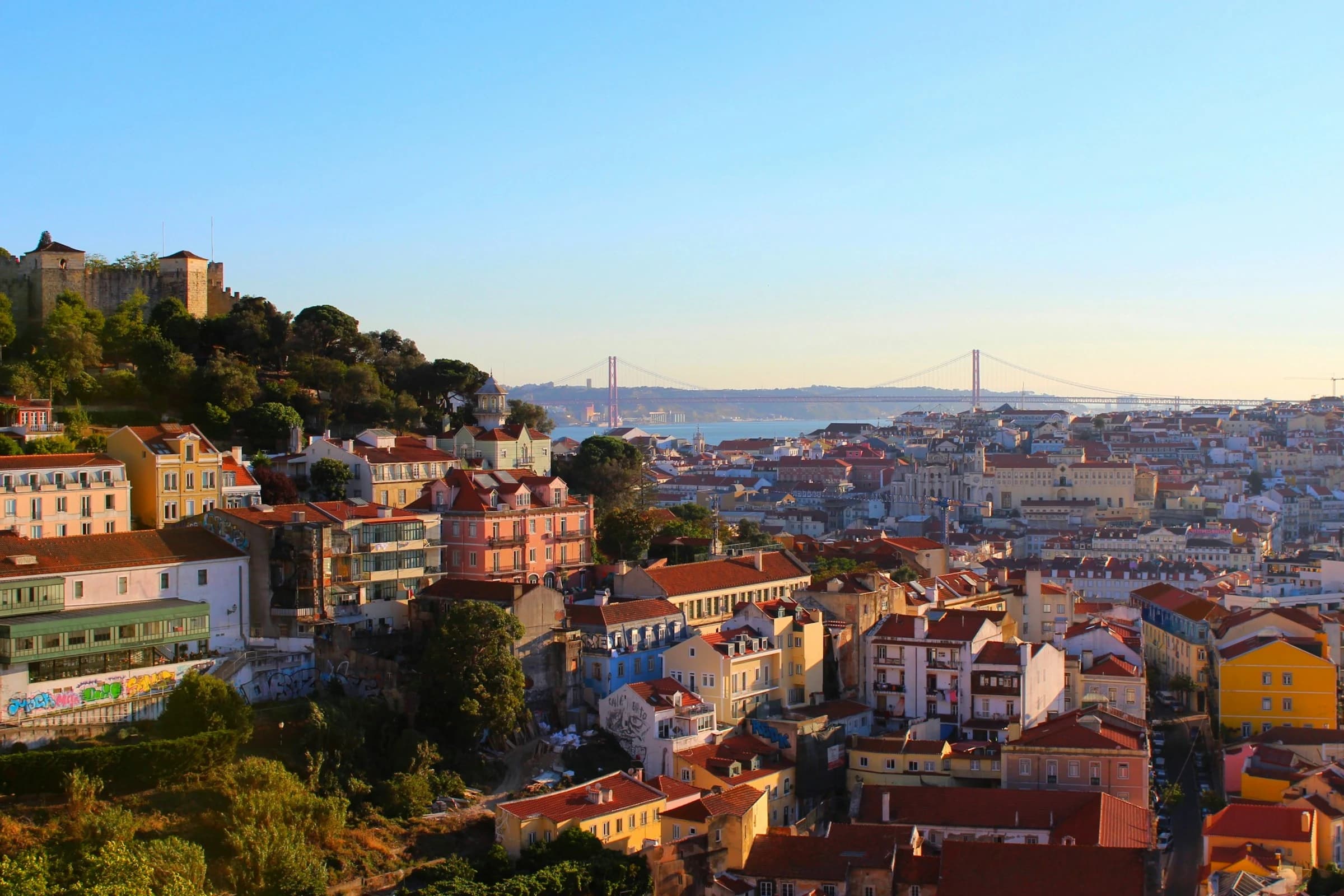
January is Lisbon's quiet season: mild by northern European standards, wet on about one day in three, and markedly cheaper once New Year has passed. It is also the heart of the Nazaré big-wave season, an easy day trip north.
What You Should Know
- January is Lisbon's low season: daytime highs around 15°C, lows around 9°C, and rain on roughly 10 days. It suits walking, food, fado and museums far better than beaches, with the sea averaging about 15.7°C.
- New Year's Day is the price peak and the rest of the month is not. Our sample of central four-star hotels showed a median of about €198 for the night of 1 January against roughly €113 to €123 for mid and late January.
- Days are short: the sun sets around 17:30 at the start of the month and just before 18:00 at the end. Plan outdoor sightseeing for the morning and early afternoon, and keep indoor options for wet spells.
- January sits inside Nazaré's big-wave season, about 90 minutes north of Lisbon. The giant swells are unpredictable and arrive with little notice, so a flexible day matters more than a fixed date.
Is January a Good Time to Visit Lisbon?
| Is January a good time to visit? | |
|---|---|
| Best for | City sightseeing, food and fado, museums, quiet day trips to Sintra, and Nazaré's big waves |
| Expect | Mild days, cool evenings, short daylight and rain on about one day in three |
| Timing | Compare rates after New Year: the first night of the year is the most expensive of the month |
| Watch out for | Wet, slippery cobbles, Atlantic weather fronts and closures on 1 January |
⭐ Best-value January window, based on our hotel sample: roughly 11 to 29 January. This falls after New Year and the Dia de Reis holiday tail, when hotel rates in our sample sat at their lowest for the month. The weather is not better in these weeks: climate normals are broadly similar across January, so the difference is price and holiday demand.
| Factor | How January affects your trip |
|---|---|
| Weather | Mixed: mild for winter at around 15°C, but rain on about 10 days |
| Crowds | Very favourable: among Lisbon's quietest periods once New Year has passed |
| Prices | Very favourable: rates in our sample roughly halved after 1 January |
| Beaches and swimming | Challenging: sea around 15.7°C and no lifeguard season |
| Sintra and day trips | Favourable: quieter palaces, though mist and rain are common on the hills |
| Nazaré big waves | Favourable: inside the big-wave season, but the giant swells are unpredictable |
| Families | Mixed: short days and wet spells favour indoor plans |
| Couples | Favourable: quiet streets, fado evenings and low rates |
ℹ️ These are our editorial assessments of how January conditions affect each part of a trip, not review scores. Weather figures are climate normals from IPMA, Portugal's weather service, for 1991 to 2020.
💰 January 2027 hotel rates in our sample (central Lisbon, 4-star):
Night of 1 January: median ~€198 (middle half €153–263) · 13 to 28 January: median ~€113–123 (middle half roughly €87–152)
From a sample of 124 to 150 four-star hotels within 2 km of Baixa, quoted on 1 October 2026 for one night for two adults, room only, before taxes. Lisbon's tourist tax of €4 per person per night (maximum seven nights) is added on top. Rates change daily, so check live prices for your dates.
We would describe January as Lisbon's value month for anyone who travels for the city rather than the sun. After the first few days of the year, the queues thin, central rooms in our sample cost roughly half the New Year rate, and fado houses, food tours and museums run as normal. The weather is the price you pay: about 10 days with rain and evenings that draw in around 17:30.
The honest tradeoff is rain and daylight, not cold. A 15°C afternoon is comfortable for walking, but a wet day on Lisbon's polished limestone pavements and steep hills is slower and more slippery than the same day in summer. We would book January for food, culture and day trips, and steer anyone who wants beaches toward June to September instead.
Lisbon Weather in January
| Metric | January |
|---|---|
| Avg High | ~15°C (59°F) |
| Avg Low | ~9°C (47°F) |
| Sea Temp | ~15.7°C (60°F), range 14.6–16.9°C |
| Rain Days | ~10 |
| Rainfall | ~104 mm (4.1 in) |
| Sunshine | ~159 hours |
| Daylight | About 9.5 to 10 hours |
| Atlantic storms | Possible; fronts bring wind and heavy rain in spells |
Temperature
IPMA's climate normals for Lisbon put the January average high at about 15°C and the average low at about 9°C. The shape is mild middays and cool, damp evenings. Frost is rare in the city itself.
Rain Pattern
January averages about 104 mm of rain across roughly 10 days. Rain in Lisbon tends to arrive with Atlantic weather fronts, so a wet spell of a day or two is often followed by clear, bright weather. Most guests find that the useful approach is to keep a flexible plan: outdoor sightseeing on the dry days, and food tours, fado and museums for the wet ones.
Daylight and Outdoor Conditions
The sun rises around 07:55 and sets around 17:26 on 1 January, and by 31 January sunset has moved to about 17:57. That is roughly nine and a half to ten hours of daylight, so the miradouros are at their best in the late afternoon rather than the evening, and day trips start in the dark. January still averages about 159 hours of sunshine, so clear days are common between the fronts.
Lisbon Crowds and Prices in January
Lisbon in January splits into a short, expensive holiday tail and a long, quiet remainder.
1 January: the price peak
The night of 1 January was the most expensive of the month in our sample, with a median of about €198 for a central four-star room, close to the New Year's Eve level. It is also the day the city is least open: many museums, monuments and shops close or run reduced hours on New Year's Day, so it is a poor day for sightseeing.
2 to 10 January: the holiday tail
The first days of the year are still holiday time for many Portuguese families, and Dia de Reis on 6 January marks the traditional end of the Christmas season. Bakeries sell bolo-rei, the crown-shaped Kings' cake, through the period. Crowds are moderate rather than heavy, and rates fall quickly after the first night.
11 to 31 January: quiet season
This is the Lisbon low season at its clearest. In our sample, mid-week and Saturday rates in mid-January were almost identical, with medians of about €123 and €121, and late January was slightly lower again at about €113. Most people do not realise how little the weekend matters in January: the saving comes from avoiding New Year, not from avoiding Fridays and Saturdays. Remember the tourist tax of €4 per person per night on top of the room rate.
Nazaré Big-Wave Season: A January Day Trip
January sits in the middle of the season that made Nazaré famous. Below the Forte de São Miguel Arcanjo lighthouse, Praia do Norte receives some of the largest waves ever surfed, a winter phenomenon that runs roughly from October to March. The town is about 120 km north of Lisbon, around an hour and a half by road, which makes it one of the few seasonal draws you can reach in a day.
The giant days are not scheduled. For the 2025/26 season, the World Surf League set the Nazaré Big Wave Challenge waiting period at 1 November 2025 to 31 March 2026, issuing a yellow alert up to 72 hours before a possible event day and a green alert if conditions hold. The 2026/27 window had not been officially announced when we checked on 1 October 2026; if it follows the same pattern, January 2027 falls inside it. So the best approach is flexibility: watch the surf forecast in the days before you go, and keep a day free to move the trip if a big swell arrives.
Even without a competition, winter is when the waves are worth seeing. The viewpoint is the clifftop fort and lighthouse, reached from the upper town of Sítio. Our take: if the waves are your reason to go, an independent trip or a private driver gives you the flexibility to match the swell, while a group tour gives you a fixed day with Fátima and Óbidos as well. The Lisbon Riders day tour spends about 80 minutes in Nazaré, and the lighthouse costs €3 extra. Our day trips from Lisbon guide compares the Nazaré tours in detail.
Most Popular Tours
Best Things to Do in Lisbon in January
| Activity | How January suits it | Best Time of Day | Notes |
|---|---|---|---|
| Fado | Very favourable | Evening | Indoor and at its best on a dark winter night; shows from €13.99 |
| Food and wine tours | Very favourable | Midday or evening | Weatherproof; the top-rated walk runs from €104 in winter |
| Cooking classes | Very favourable | Any | Indoor, and a good wet-day plan |
| Nazaré big-wave day trip | Favourable | Full day | Inside the big-wave season; check the swell forecast |
| Walking tours | Favourable | Morning | Comfortable temperatures; slippery cobbles in rain |
| Sintra day trip | Favourable | Full day | Quieter than summer, but often misty or wet on the hills |
| Belém and Jerónimos | Favourable | Morning | Low season; Jerónimos is closed on Mondays |
| Wine tours | Favourable | Afternoon | Tastings are indoors; the vineyards are bare in winter |
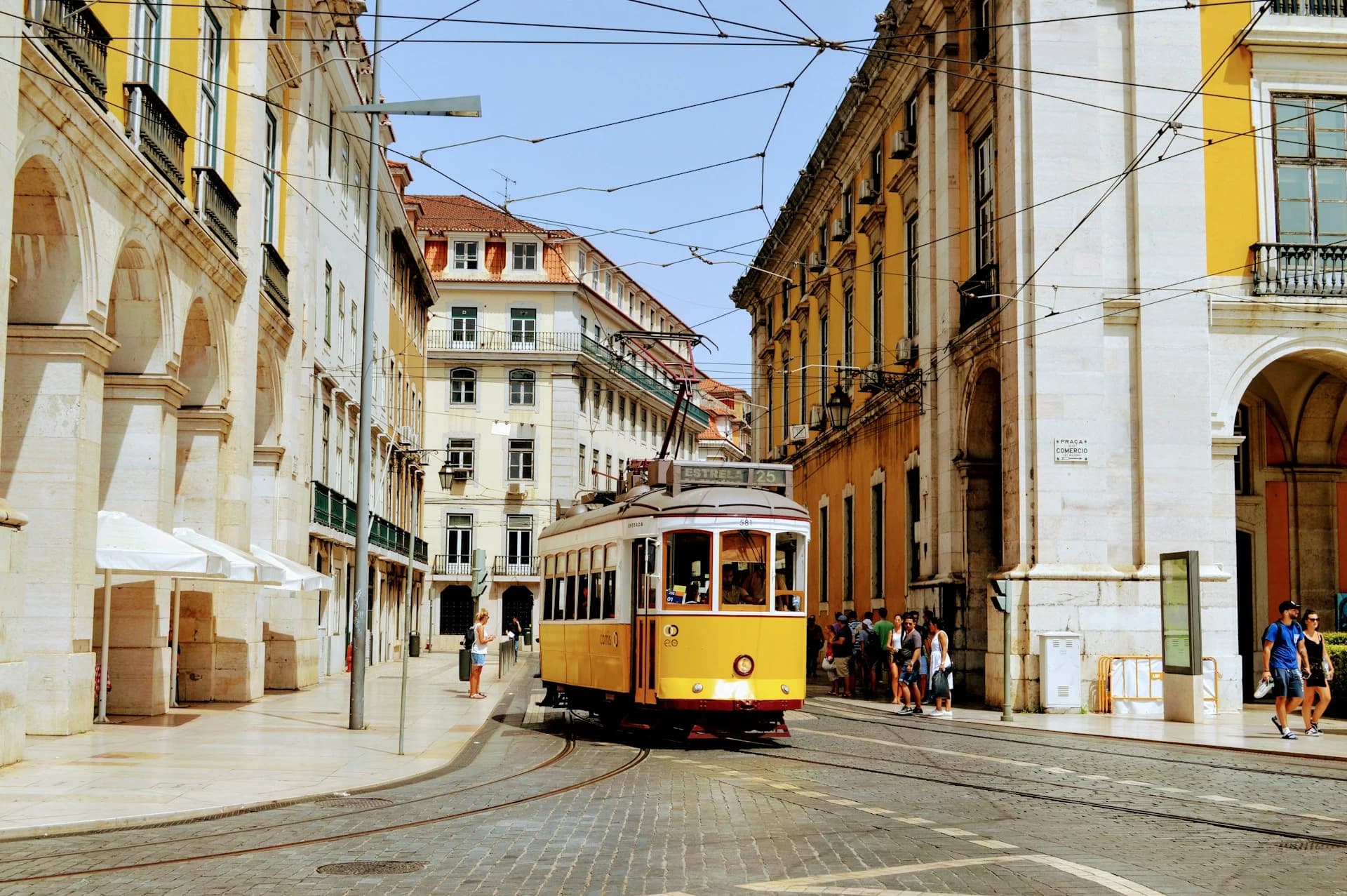
| Tram 28 | Mixed | Early morning | Quieter than summer; cold and crowded at peak times |
| Tuk-tuk tours | Mixed | Midday | Open-sided, so cold and wet on a bad day |
| River sailing | Mixed | 11:00 | Runs daily at 11:00 only in winter; cool on deck |
| Bike tours | Challenging | Midday on a dry day | Wet cobbles and short daylight |
| Surf lessons | Challenging for beginners | Morning | Wetsuits essential; winter swells suit improvers more |
| Beaches | Challenging | Midday | Sea around 15.7°C and no lifeguards |
What January is uniquely good for
Two things favour January in particular. Nazaré is in its big-wave season, which no other part of the year offers in the same way, and the quiet season changes the experience of the sights that are crowded in summer: Sintra's palaces, Belém and the viewpoints are calmer, and you can often walk into places that queue in August.
Everything else is simply weatherproof rather than exceptional. In our view, January rewards people who travel for food, music and history, which describes most first-time visitors to Lisbon. If it is your first time, our best things to do in Lisbon guide is the place to start, and our fado in Lisbon guide compares the houses for a winter evening.
What January Isn't Good For
January's downsides are practical rather than serious, but three things work noticeably less well this month.
Wet cobbles and steep streets
Lisbon's traditional calçada pavements are polished limestone, and they turn slippery in the rain, especially on the steep streets of Alfama, Chiado and Bairro Alto. Shoes with grip matter more than a heavy coat. Our is Lisbon safe guide covers the walking and transport advice in more detail.
Short days
With sunset around 17:30 for most of the month, a full day of sightseeing needs an early start. The practical fix is to put the outdoor sights and viewpoints first, and leave food, fado and museums for the evening.
Cold water and empty beaches
The Atlantic averages about 15.7°C in January, and the lifeguard season at the Lisbon-area beaches runs from late spring to the end of September, so January swimming is for the hardy only. Surfing still runs with wetsuits, but winter swells are bigger and less beginner-friendly than in summer; our Lisbon surf lessons guide covers which beaches suit which level. Guests on winter Sintra tours also describe Cascais as cold and windy, so a day trip that gives more time to Sintra is usually the better January choice.
More January-Friendly Activities
- Bolo-rei through Dia de Reis: Portugal's crown-shaped Kings' cake is sold through the Christmas season to 6 January.
- Indoor museums for wet days: the Oceanário, the National Tile Museum and the Gulbenkian Museum are the classic rainy-day plans.
- LX Factory: bookshops, cafés and design stores in a former industrial complex in Alcântara, mostly under cover.
- A viewpoint at golden hour: with sunset around 17:30, the late afternoon at Senhora do Monte or São Pedro de Alcântara catches the low winter light.
Most Popular Tours
Our Take
Based on the rates we sampled, the trap is paying New Year prices for January weather. The climate normals for 1 January and 20 January are effectively the same, but the median room rate in our sample fell from about €198 to roughly €120, so moving your dates by ten days does more than any other choice you make for this month.
Tips for Visiting Lisbon in January
- Compare rates either side of New Year: the night of 1 January was the month's price peak in our sample, and mid-January rooms cost roughly 40% less. Weekend and weekday rates barely differed later in the month.
- Pack a waterproof and shoes with grip: rain falls on about 10 days, and wet calçada on Lisbon's hills can be a significant slip hazard.
- Plan around a 17:30 sunset: put viewpoints and outdoor sights in the morning and early afternoon, and keep fado and food for the evening.
- Keep a flexible day for Nazaré: the big swells arrive with little notice, so watch the surf forecast and move the trip to match it if you can.
- Avoid sightseeing on 1 January: many museums, monuments and shops close or run reduced hours on New Year's Day.
- Plan Belém for a day other than Monday: Jerónimos Monastery is closed on Mondays.
- Choose Sintra over Cascais in midwinter: guests on winter tours describe Cascais as cold and windy, while Sintra's palaces and gardens are at their quietest.
- Budget for the tourist tax: Lisbon adds €4 per person per night, up to seven nights, on top of the room rate.
- Visiting at a different time of year? Our Lisbon in February guide covers the month after, with similar quiet-season rates, a little more sunshine and Carnival on 9 February, our Lisbon in December guide covers the month before, with the Christmas lights and New Year's Eve, and our best things to do in Lisbon guide covers the year-round highlights.
How We Put This Guide Together
Weather figures are climate normals rather than a forecast: average high and low, rainfall and days with rain for January in Lisbon, taken from IPMA, Portugal's national weather service, for the 1991 to 2020 period. Sunshine hours are station averages for 1990 to 2019 from the German Weather Service (DWD). Sea temperatures are long-term averages from seatemperature.org, and sunrise and sunset times are for January 2027. Hotel prices come from our own sample, not a market average: rates for 124 to 150 four-star hotels within 2 km of Baixa, quoted on 1 October 2026 for one night for two adults, room only, before taxes, on five January 2027 dates. We report the median and the middle half of the range. Rates move daily and differ by property and lead time, so check live prices for your dates. The Nazaré competition window comes from the World Surf League's announcement for the 2025/26 season; the 2026/27 window had not been announced on 1 October 2026. Tour prices, ratings, review counts, departure times and January schedules were read from the operator listings on 1 October 2026 and may change. The favourable, mixed and challenging assessments are our own editorial judgement of one question only: how much do January conditions help or hinder each part of a trip? They weigh rain, temperature, daylight, sea conditions and whether a seasonal window is open. They are not quality ratings for the operators and are not derived from reviews.
Frequently Asked Questions
Is Lisbon good in January?+
For city travel, yes. January is Lisbon's quiet season, with daytime highs around 15°C, thin crowds after New Year and hotel rates that roughly halve after 1 January in our sample. It is a good month for food, fado, museums and day trips to Sintra or Nazaré. It is not a beach month: rain falls on about 10 days and the sea averages about 15.7°C.
What is the weather like in Lisbon in January?+
Mild and changeable. IPMA's 1991 to 2020 normals put the average high at about 15°C (59°F) and the low at about 9°C (47°F), with roughly 104 mm of rain over about 10 days, around 159 hours of sunshine. Rain tends to come in spells with Atlantic fronts, with bright, clear days in between.
Can you see the big waves at Nazaré in January?+
January is inside the big-wave season, which runs roughly from October to March. For 2025/26 the World Surf League's competition window ran from 1 November to 31 March, and the 2026/27 window had not been announced when we checked. The giant swells are not scheduled: they depend on Atlantic storms and arrive with only a few days' notice. Nazaré is about 90 minutes north of Lisbon, so keep a flexible day and watch the surf forecast.
How much does it rain in Lisbon in January?+
About 104 mm across roughly 10 days, based on IPMA's 1991 to 2020 climate normals. Rain usually arrives with Atlantic weather fronts, so a wet day or two is often followed by dry, sunny weather. Plan outdoor sightseeing for the dry spells and keep food tours, fado and museums for the wet days, and pack shoes with grip for the slippery cobbles.
Is January expensive in Lisbon?+
Only at the start. In our sample of central four-star hotels quoted in October 2026, the night of 1 January had a median of about €198, while mid and late January sat at roughly €113 to €123. Those are room-only rates for two before taxes, and Lisbon adds a tourist tax of €4 per person per night. Rates vary by property and dates, so check live prices for yours.
When is the best-value time to visit Lisbon in January?+
Based on our hotel sample, roughly 11 to 29 January. That stretch falls after New Year and the Dia de Reis holiday tail, when rates in our sample were at their lowest for the month. It is not a weather recommendation: climate normals are broadly similar across January. Weekend and weekday rates barely differed in mid-January, so avoiding the first days of the year matters more than which days of the week you choose.
What activities are best in Lisbon in January?+
The weatherproof ones and the seasonal one. Fado, food and wine tours, cooking classes and museums are unaffected by rain, and Sintra's palaces and Belém are quieter than in summer. Nazaré is in its big-wave season. Beaches, bike tours and open-sided tuk-tuks are the activities January suits least.
Is Lisbon cold in January?+
Mild rather than cold by northern European standards. Afternoons average about 15°C and nights about 9°C, and frost is rare in the city. It feels cooler than the numbers suggest because evenings are damp and many older buildings are not well heated, so layers and a waterproof matter more than a heavy coat.
Affiliate note: Some links on this page are affiliate links. If you book through them, we may earn a small commission at no additional cost to you.