Portugal carries the lowest US travel advisory level and ranks 7th on the 2026 Global Peace Index. Lisbon's real risks are pickpockets on the trams, fake drug sellers in Baixa and the sea, not violent crime. Here is what the advisories and the crime figures actually say.
What You Should Know
- The US State Department rates Portugal Level 1, Exercise Normal Precautions, the lowest of its four levels, and Canada and Australia both say take normal precautions. None of the four major English-speaking governments advises against travel to Portugal.
- Portugal ranks 7th of 163 countries on the 2026 Global Peace Index, and its homicide rate is about 0.7 per 100,000 people. Violent crime reported to police fell 1.6% in 2025, even as overall reported crime rose 3.1%.
- The advisories' warnings for visitors centre on theft, not violence. Canada's advisory names trams 15, 25 and 28 specifically, and the UK warns that pickpockets work in teams at crowded tram and bus stops.
- Lisbon has two local quirks worth knowing before you arrive: men in Baixa offering drugs that police say are usually bay leaves or flour, and the 2025 Glória funicular crash, which killed 16 people and closed most of the city's funiculars for inspection.
Is Lisbon Safe to Visit?
Is Lisbon safe? Current government advisories generally recommend normal precautions for Portugal rather than heightened travel restrictions. For visitors, the recurring warnings are mainly about theft, nightlife, transport and Atlantic water conditions. Portugal sits at the lowest level of the US travel advisory system, ranks 7th in the world on the 2026 Global Peace Index, and has one of the lowest homicide rates in Europe.
ℹ️ Government advisories and crime figures checked September 30, 2026.
This guide covers what each government advisory says, what the crime figures show, which areas and hours need more care, and what solo women should know. For arrival logistics, see our Lisbon airport transfer guide; for Tram 28, a route the advisories flag for pickpockets, see our Lisbon tram tour guide.
Bottom line: The recurring warnings across the advisories are pickpocketing on crowded trams and in tourist areas, drink safety at night, and coastal conditions.
Lisbon Safety at a Glance
The quick version, before the detail below: what the government advisories and crime data say about each risk category.
| Category | What current sources indicate |
|---|---|
| Violent crime | Portugal has low overall violent-crime indicators: a homicide rate of about 0.7 per 100,000 and a 1.6% fall in reported violent crime in 2025 |
| Pickpocketing | Specific warnings for crowded public transport and tourist areas, including trams 15, 25 and 28 |
| Street drug sellers | A known nuisance in Baixa; police say the drugs offered are usually fake |
| Nightlife | Take additional care with drinks and late-night surroundings |
| Public transport | Generally safe; theft is the main concern |
| Solo female travel | Normal precautions, particularly at night |
| Beaches | Rip currents and sea conditions require caution; lifeguards only in season |
| Walking | Hills and slippery cobbles are practical hazards |
| Natural hazards | Active seismic zone; wildfire risk inland from April to October |
ℹ️ Summarised from the government advisories and crime data cited below. Conditions vary by area, season and time of day.
Who Should Think Twice
Lisbon suits most travellers. These are not reasons it is unsafe, but mismatches between what someone needs and what the city is like.
- Travellers with limited mobility. The hills, stairs and cobbles are the city's biggest practical challenge, and several of the funiculars that normally help are closed. A van tour or taxis between viewpoints solve most of it; our private tour guide comparison covers the options with hotel pickup.
- Light sleepers booking in Bairro Alto. It is loud until the early hours on most nights.
- Anyone planning to swim off-season. Outside the lifeguard season the Atlantic beaches are unsupervised.
- Anyone expecting a city with no petty crime. Pickpocketing on the trams is a recurring warning in the advisories. Planning for it is easy; being surprised by it is not.
Current Travel Advisories: What Each Government Says
The four major English-speaking governments all rate Portugal at or near the bottom of their risk scales, and unusually, they agree on tone as well as level. All four were checked on September 30, 2026.
| Government | Advisory Level | What It Says | Official Source |
|---|---|---|---|
| United States | Level 1 of 4: Exercise Normal Precautions | The lowest level the State Department issues, reissued December 23, 2025. Advises vigilance against petty theft in crowded tourist areas and on public transport. | U.S. State Department |
| Canada | Take normal security precautions | Updated September 24, 2026. Says pickpocketing and bag snatching are common in Lisbon and Porto, names trams 15, 25 and 28 in Lisbon, and warns of drinks spiked in bars and nightclubs. | Government of Canada |
| United Kingdom | Safety and security advice | Warns of street crime on public transport and at crowded bus and tram stops, thieves working in teams, drink spiking, and notes that sexual assaults are rare but occur late at night around nightlife areas. | UK Foreign, Commonwealth & Development Office |
| Australia | Exercise normal safety precautions | The lowest of Smartraveller's four levels, with no regional warnings anywhere in Portugal. | Australian Government Smartraveller |
How to read this: none of the four advises against travel to Portugal, and the specific warnings are all about theft, drinks and the sea. The UK and Canadian pages are the most useful of the four, because they name the actual places and situations where things go wrong.
ℹ️ Advisory levels and wording change. Check the official source links above before you travel rather than relying on any article, including this one.
Lisbon Safety by the Numbers
Numbers put the advisories in context. Portugal's crime statistics are national, not city-level, so they describe the country Lisbon sits in rather than the streets you will walk.
- Global Peace Index: Portugal ranks 7th of 163 countries in the 2026 index from the Institute for Economics and Peace, up one place on the previous year.
- Homicide rate: World Bank data puts Portugal at about 0.7 intentional homicides per 100,000 people, one of the lowest rates in Europe.
- Crime trend in 2025: Portugal's Annual Internal Security Report recorded a 1.6% fall in violent and serious crime and a 3.1% rise in overall reported crime, which the government partly attributes to better detection. Theft remains the most reported crime in the country.
- The figure we would not skip: the same report records the highest number of reported rapes in a decade. It is a national figure and most cases do not involve tourists, but it is the reason the late-night advice in the solo travel section below is worth taking seriously.
- Women's safety: the Georgetown Women, Peace and Security Index ranks Portugal 26th of 181 countries, and 68% of Portuguese women say they feel safe walking alone at night in their own area.
Taken together: Portugal ranks among the most peaceful countries in the world, and the advisories' warnings centre on theft where tourists gather.
Pickpockets, Fake Drugs and the Scams That Target Tourists
Pickpockets on the trams
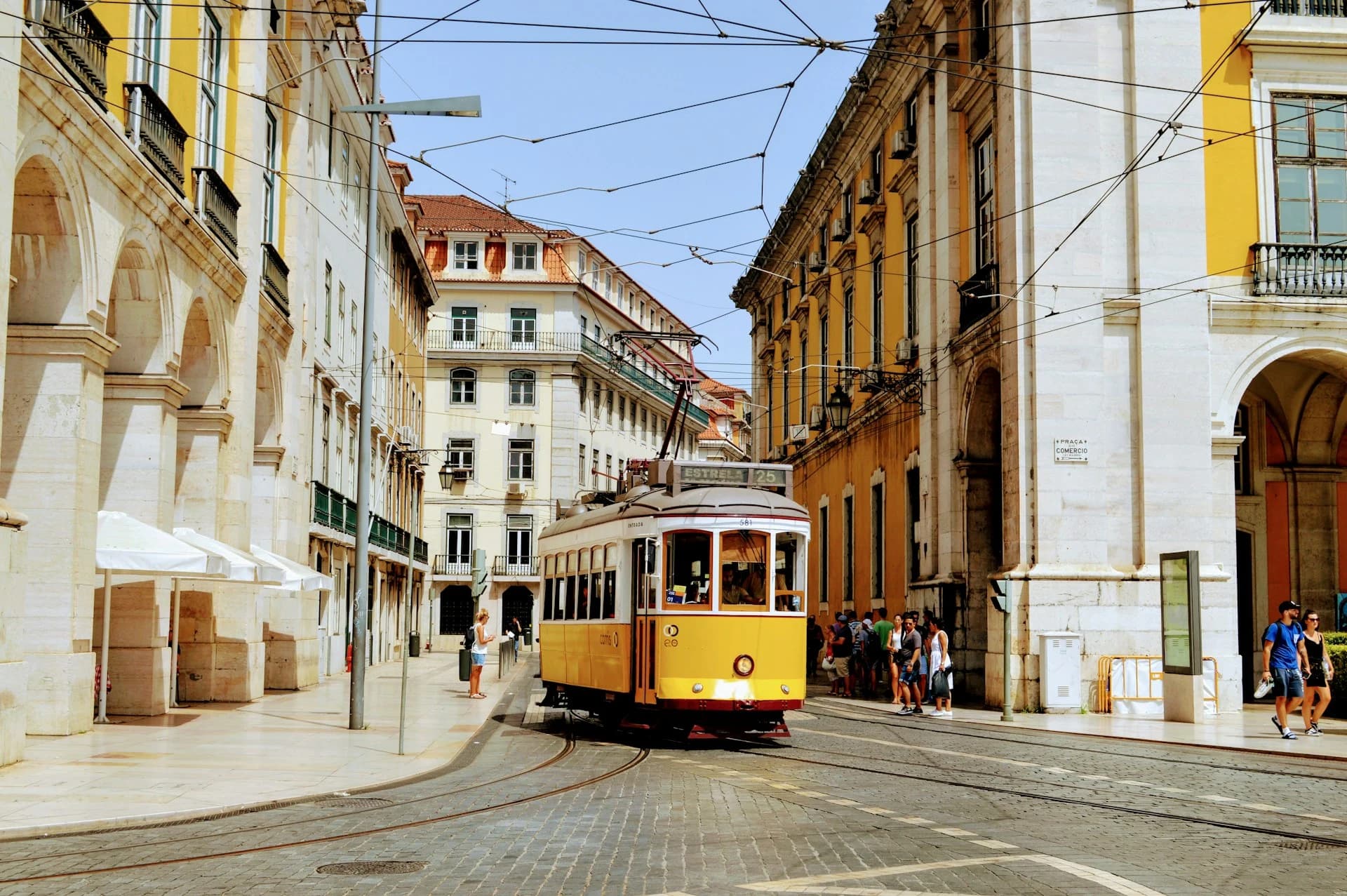
Canada's advisory names trams 15, 25 and 28 in Lisbon. Tram 28 receives particular attention because it is heavily used by tourists and can become extremely crowded, and the UK warns that thieves use distraction techniques and work in teams. Carry a zipped bag in front of you, keep your phone out of back pockets, and ride early in the morning or late in the evening when the carriage is emptier.
The fake drug sellers in Baixa
On Rua Augusta and around Rossio, men murmur offers of hashish or cocaine to passers-by. Police say what they sell is usually bay leaves, flour or ground paracetamol. The PSP has said publicly that selling fake drugs currently has no legal basis as either a criminal or administrative offence, and a draft law to make it punishable with up to a year in prison was put forward in 2026. Say no and keep walking without stopping to talk. Buying real drugs is no better an idea: Canada's advisory warns of fines, mandatory treatment or prison.
Other things to watch
- Phones on café tables: terrace tables in Baixa and at the viewpoints are an easy grab.
- Crowded viewpoints and monuments: Santa Luzia, Portas do Sol and the queues in Belém draw the same crowds as the trams.
Lisbon Safety by Area
None of the government advisories singles out a central Lisbon neighbourhood to avoid. What changes from one area to the next is the kind of care you need.
Baixa, Rossio and Chiado
Busy, central and a focus for pickpockets. The grid between Praça do Comércio and Rossio is where most visitors spend their time and where the fake drug sellers work. It is well lit and busy late into the evening.
Alfama and the Tram 28 route
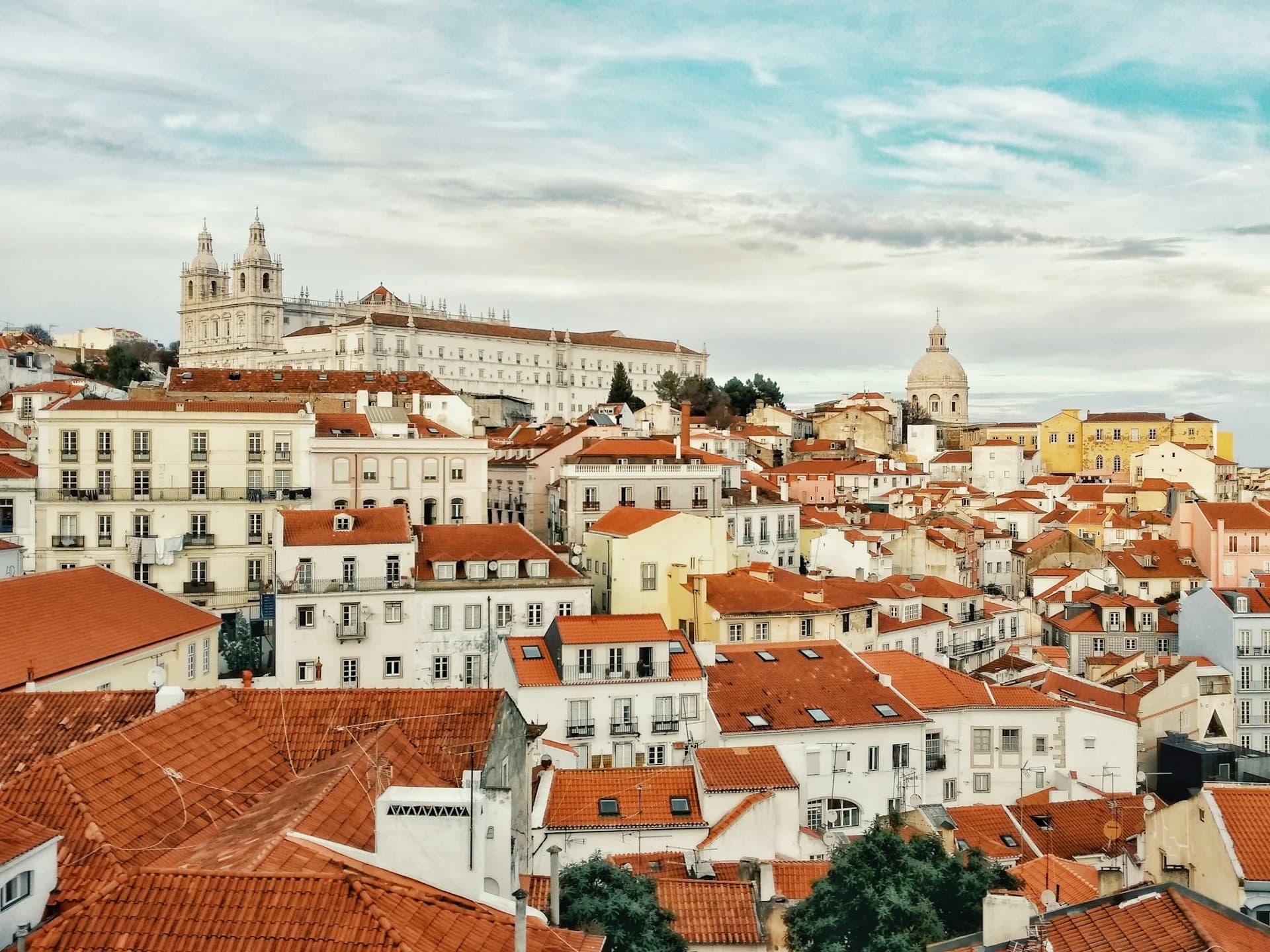
Crowded and steep. Lisbon's oldest neighbourhood is a maze of alleys and stairs, busy with visitors into the evening when the fado houses open. The concerns here are the crowds on the tram and at the viewpoints, and polished cobbles that are slippery when wet. Our Lisbon walking tour guide compares guided walks that use the flatter routes. For what to see once you are there, see our guide to the best things to do in Lisbon.
Bairro Alto and Cais do Sodré
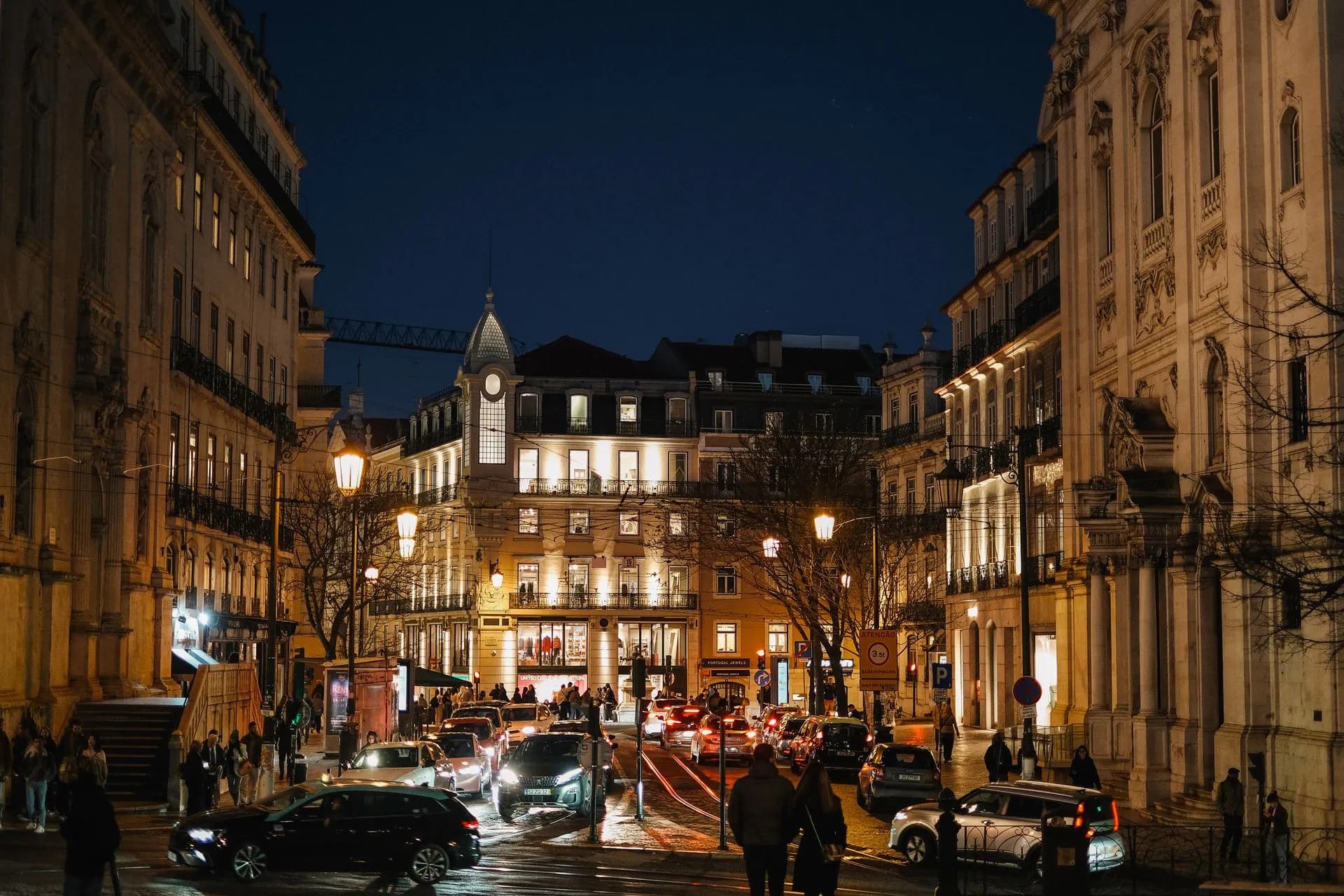
The nightlife districts. Bairro Alto's bars spill into the streets and Cais do Sodré's Pink Street runs until the early hours. The UK's warning about late-night nightlife areas is most relevant here; the practical advice is in the solo travel section below. For a night out with a group, see our Lisbon pub crawl guide and Lisbon night tour guide.
Belém
Crowds at the monuments. Jerónimos, the Belém Tower and the pastry shops draw long queues, and queues attract pickpockets. Otherwise it is a quiet riverside district.
Is Lisbon Safe for Solo Female Travellers?
Lisbon is generally considered a manageable destination for solo female travellers, with the same late-night precautions recommended in other European capitals. It is compact, walkable and busy late into the evening, and Portugal ranks 26th of 181 countries on the Georgetown Women, Peace and Security Index.
- Night-time is where the advisories focus. The UK notes that sexual assaults are rare but do occur, most often late at night around popular nightlife areas. Canada advises travelling in groups and staying aware of who is behind you.
- Keep your drink in sight. Both the UK and Canada warn about drinks being spiked in bars and nightclubs. Buy your own and do not leave it unattended. The UK also notes that drinks in Portuguese bars are often stronger than people expect.
- Get home by car late at night. Uber and Bolt operate in Lisbon and can provide an alternative to walking alone late at night.
- Stay central. Baixa, Chiado, Príncipe Real and the edges of Alfama keep you close to busy, well-lit streets. Staying right on top of Bairro Alto trades convenience for noise until the early hours.
- Use a group activity to meet people. Our Lisbon food tour guide and day trips from Lisbon guide compare small-group options.
Transport Safety: Trams, Funiculars and Taxis
Trams and the Metro
The Metro is straightforward to use. On the historic trams, the pickpocket advice above applies.
The funiculars after the 2025 Glória crash
The most serious recent transport incident. On 3 September 2025 the Ascensor da Glória, the funicular from Restauradores up to Bairro Alto, derailed and crashed, killing 16 people, most of them foreign visitors. Portugal's accident investigation office, GPIAAF, found in its initial notice that the underground cable connecting the two cabins had broken, and that the brakes could not stop the cabin once that counterweight was lost; its preliminary report followed in October 2025. The city suspended its other funiculars for inspection: Graça reopened in April 2026, while Bica and Lavra remain closed and the Glória line is being replaced. Check which are running on your dates; our tram tour guide has the current status.
Taxis and ride-hailing
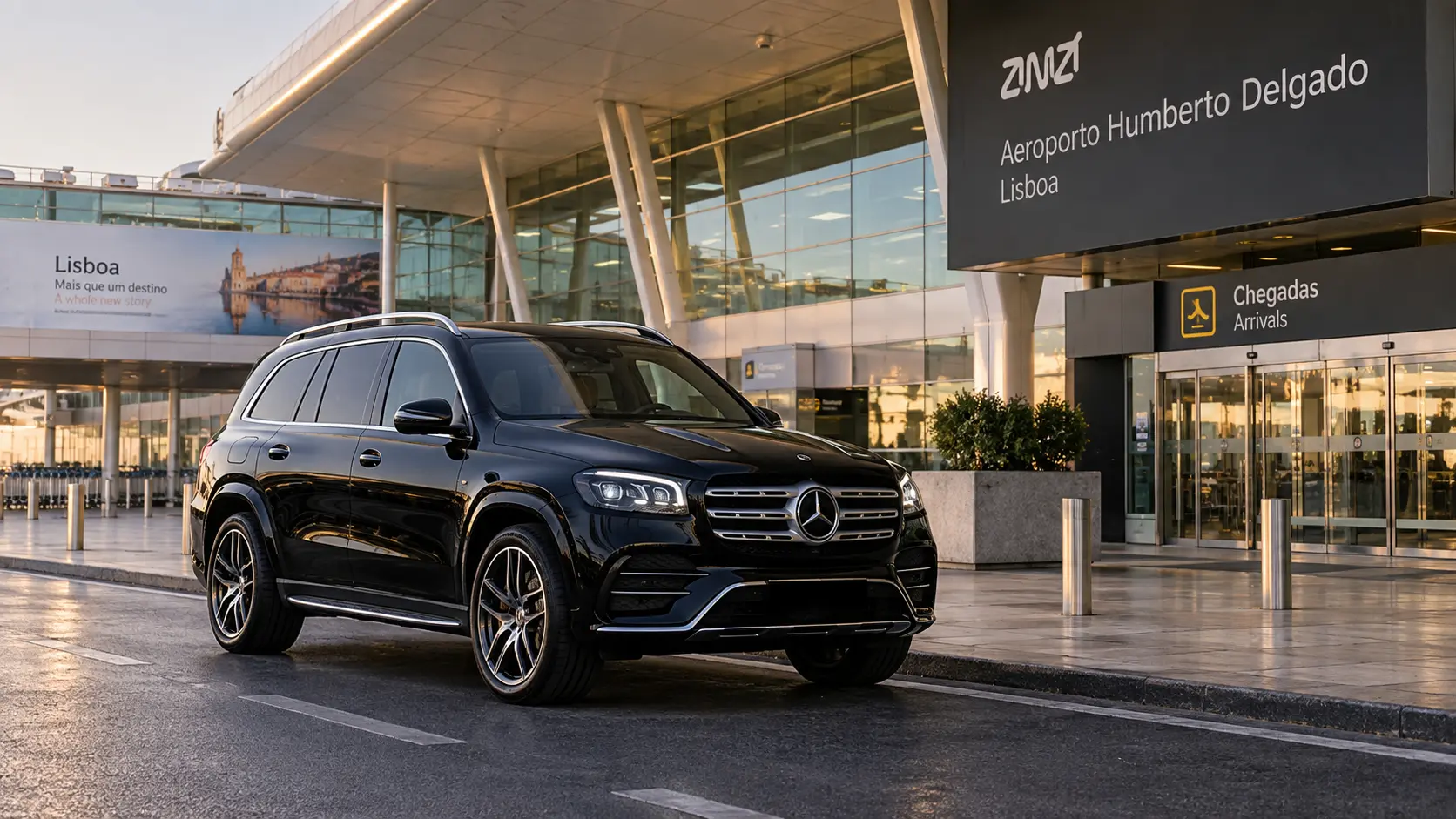
Licensed taxis are metered, and Uber and Bolt operate across the city. At the airport, ride-hailing pickups happen at a signed area in the short-stay car park rather than at the arrivals kerb; our airport transfer guide walks through it.
Walking
One of the more common practical hazards. The city is built on steep hills, and its traditional calçada pavements are polished limestone that turns slippery in the rain. Wear shoes with grip, and take the hills slowly on wet days.
Beach and Water Safety
Lisbon's beaches are on the open Atlantic, at Cascais and Carcavelos to the west and Costa da Caparica to the south, and the water deserves more respect than it looks like it needs.
- Currents are strong. Canada's advisory warns that coastal waters can be dangerous even for excellent swimmers, that rip currents are common and that drownings occur every year. The UK advises not to swim against a rip current if you are caught in one.
- Swim at lifeguarded beaches in season. In 2026 the bathing season with lifeguards runs from 1 May to 30 September in Cascais, and the Costa da Caparica rescue plan covers 1 June to 30 September. Outside those dates, assume there is no lifeguard.
- Obey the flags. A red flag means no swimming, and Canada notes that the Maritime Police can fine people who ignore warning flags.
If you want to get in the water with someone who knows the conditions, our Lisbon surf lessons guide compares the beginner schools at Carcavelos and Caparica.
Earthquakes, Heat and Wildfires
These are real risks in Portugal, but they rarely affect a city break.
- Earthquakes: Lisbon sits in an active seismic zone, and Canada's advisory notes that earthquakes occur frequently, especially in the Lisbon area, though most are too small to feel. The great earthquake of 1755 is why Baixa is laid out on a grid. Know that 112 is the emergency number, and follow official instructions if a strong tremor happens.
- Wildfires: the UK flags wildfire risk from April to October. Fires affect forested inland areas rather than central Lisbon, but they can close roads and affect day trips in summer.
- Heat: summer afternoons are hot and the hills are steep. Walk early, carry water and plan indoor time in the middle of the day in July and August.
Our Take
The pattern we keep seeing across the advisories is that the warnings for Lisbon are specific rather than general: a zipped bag on the trams, a firm no to the sellers in Baixa, a watched drink after midnight and a lifeguarded beach address the risks each government actually names.
Practical Safety Tips for Lisbon
- Save the emergency number. Dial 112 for police, ambulance or fire. The PSP also runs a dedicated tourist police station at Palácio Foz on Praça dos Restauradores, with officers who speak foreign languages.
- Zip it and wear it in front. A bag with a zip, worn across your body, is the simplest defence on the trams and in Baixa.
- Keep your phone off the table on café terraces and at the viewpoints.
- Watch your drink and get a car home from Bairro Alto and Cais do Sodré late at night.
- Carry a copy of your passport, with the original in the hotel safe.
- Swim only at lifeguarded beaches in season, and treat a red flag as a rule, not a suggestion.
- Visiting in autumn? Our Lisbon in October guide covers the return of the rain, when the cobbled pavements become slippery, and the end of the lifeguard season.
How We Researched This Guide
The Vacation in Portugal team built this guide from primary sources: the US State Department, Government of Canada, UK Foreign Office and Australian Smartraveller advisories, Portugal's 2025 Annual Internal Security Report, World Bank homicide data, the 2026 Global Peace Index and the Georgetown Women, Peace and Security Index. Advisories were checked on September 30, 2026. Portugal publishes crime statistics nationally rather than for Lisbon alone, so we say when a figure describes the country rather than the city. We included the rise in reported rapes and the 2025 Glória funicular crash because a safety guide that only reassures is not a safety guide. Advisories change, so every official source is linked for you to check before you travel.
Frequently Asked Questions
Is Lisbon safe to visit right now?+
Current advisories generally recommend normal precautions. The US State Department rates Portugal Level 1, Exercise Normal Precautions, the lowest of its four levels, and Canada and Australia both advise normal precautions. Portugal ranks 7th of 163 countries on the 2026 Global Peace Index. The recurring warning for visitors is pickpocketing on crowded trams and in tourist areas. Check the official advisories before you travel, as levels can change.
Is Lisbon safe at night?+
Central Lisbon is busy and well lit into the evening, and Alfama, Chiado and Baixa stay busy with visitors after dark. Take more care late at night in the nightlife districts of Bairro Alto and Cais do Sodré, where the UK and Canadian advisories warn about drink spiking and assaults. Keep your drink in sight and take a taxi, Uber or Bolt home rather than walking alone in the early hours.
Is Lisbon safe for solo female travellers?+
Generally yes, with the same precautions recommended in other European capitals. Portugal ranks 26th of 181 countries on the Georgetown Women, Peace and Security Index, and Lisbon is compact, walkable and busy late into the evening. The advisories focus on late nights around nightlife areas: watch your drink, stay with a group if you go out, and get a car home rather than walking alone after midnight.
Is pickpocketing bad in Lisbon?+
Pickpocketing is one of the main crime risks specifically highlighted for visitors by the Canadian and UK advisories. Canada names trams 15, 25 and 28 in Lisbon, and the UK warns that pickpockets work in teams at crowded tram and bus stops. Baixa, the viewpoints and the queues in Belém are the other hotspots. A zipped bag worn in front, and your phone kept off café tables, are the simplest precautions.
Is Tram 28 safe?+
Generally safe to ride, but it is a known pickpocket target. The small, packed carriages on the route every visitor wants to ride suit thieves who work in teams. Ride before 09:00 or after 20:00 when it is emptier, board at a terminus for a seat, and keep your bag zipped and in front of you. Our tram tour guide covers the quieter alternatives.
What happens if someone offers me drugs in Lisbon?+
Say no and keep walking. The men offering hashish or cocaine on Rua Augusta and around Rossio are Lisbon's best-known street nuisance, and police say what they sell is usually bay leaves, flour or ground paracetamol. Do not stop to talk or negotiate. Buying real drugs carries fines, treatment orders or prison.
Are Lisbon's funiculars safe after the Glória crash?+
The Glória funicular derailed on 3 September 2025, killing 16 people, after the cable connecting its two cabins failed. The city suspended the other funiculars for inspection: Graça reopened in April 2026, while Bica and Lavra remain closed and the Glória line is being replaced. Check which are running before you plan around them, and use the Metro or a taxi in the meantime.
What is the emergency number in Lisbon?+
Dial 112 for police, ambulance or fire anywhere in Portugal. For crimes such as theft, the PSP runs a dedicated tourist police station at Palácio Foz on Praça dos Restauradores, with officers who speak foreign languages.
Affiliate note: Some links on this page are affiliate links. If you book through them, we may earn a small commission at no additional cost to you.